Geschäftssysteme, APIs, Cloud-Plattformen & moderne Architekturen
Professionelle Systemintegration mit Fokus auf klaren, zuverlässigen und wartbaren Verbindungen zwischen Geschäftssystemen, APIs und Cloud-Plattformen.
Die Erfahrung umfasst sowohl:
- gezielte Integrationen für kleine und mittelständische Organisationen als auch
- Integrationslandschaften auf Enterprise-Niveau mit mehreren Domänen, Teams und langfristig betriebenen Plattformen.
Das zentrale Ziel ist einfach:
Integrationlösungen liefern, die verständlich, wartbar und vollständig im Besitz Ihrer Organisation sind.
Kein Vendor Lock-in. Keine unnötigen Plattformen. Keine Black Boxes.
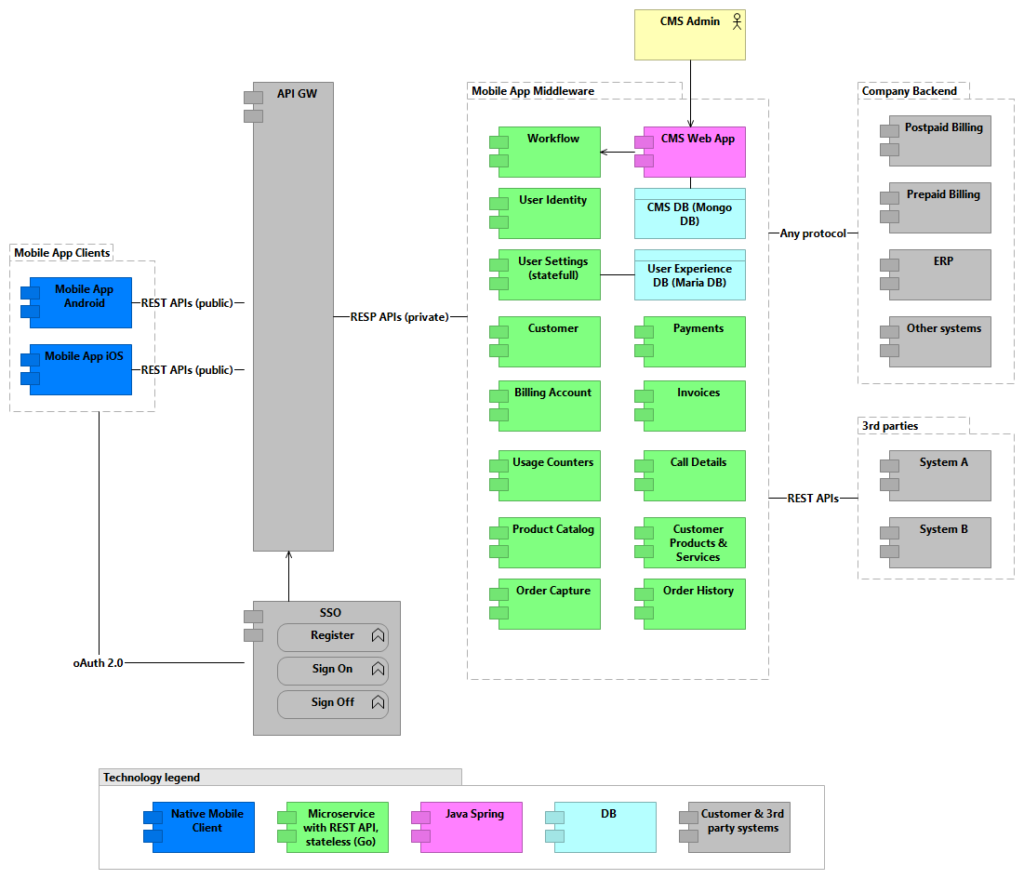
Die Expertise wird von einem unabhängigen Experten mit Sitz in Wien, Österreich, bereitgestellt, der sich auf die Automatisierung von Chatbots in Unternehmen und die Systemintegration spezialisiert hat.
Welche Probleme ich löse
Organisationen benötigen häufig pragmatische Integrationen, ohne umfangreiche Transformationsprogramme zu starten oder schwere Integrationsplattformen einzuführen.
Typische Szenarien:
- Verbindung von CRM-, ERP-, eCommerce-, Billing-, Accounting- und internen Systemen
- Synchronisation von Kunden, Produkten, Bestellungen, Rechnungen und operativen Daten
- Integration von Partner- oder Drittanbieter-APIs
- Anbindung von Cloud-Services für Storage, Messaging, Analytics oder Identity
- Ersatz manueller Exporte/Importe durch automatisierte Prozesse
- Stabilisierung fragiler oder bestehender Legacy-Integrationen
Wenn Systeme Daten austauschen können — lassen sie sich in der Regel integrieren.
Tools, Plattformen & Technologien
Integrationslösungen werden mit weit verbreiteten Technologien umgesetzt, die pragmatisch anhand des Geschäftskontexts ausgewählt werden — nicht auf Basis eines festen Tool-Stacks.
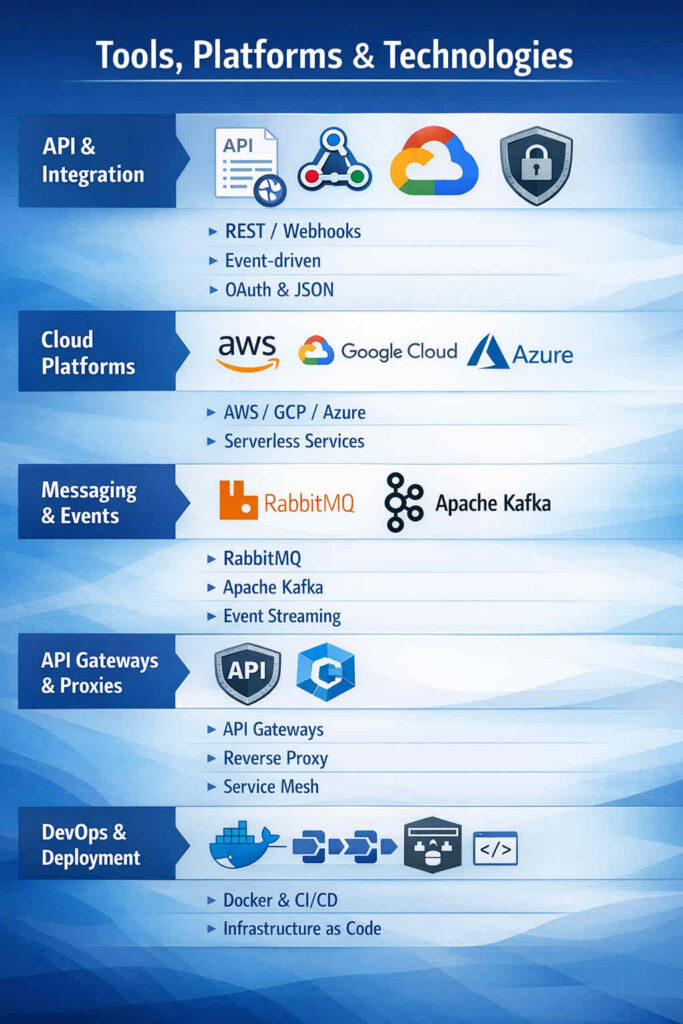
API- & Integrationsentwicklung
- REST APIs (OpenAPI / Swagger)
- Webhooks und asynchrone Workflows
- Event-getriebene Integrationsmuster
- JSON / XML Datenmodellierung
- OAuth2 / OpenID Connect
- Synchrone und asynchrone Kommunikationsmodelle
Cloud-Plattformen
Erfahrung in der Integration von Services aus:
- AWS
- Google Cloud
- Microsoft Azure
Einschließlich Storage, Messaging, Identity, Monitoring, Automation und Serverless-Komponenten.
Messaging- & Event-Plattformen
Reverse Proxy, API Gateway & API Management
Wo architektonisch erforderlich:
- Reverse-Proxy-Patterns
- API-Gateway-Architekturen
- API-Management-Layer
- Traffic Routing und Security Enforcement
- Rate Limiting und Authentifizierungs-Kontrolle
- Sichere Exponierung interner Services
Diese Komponenten werden eingesetzt, wenn sie einen klaren architektonischen oder operativen Mehrwert bieten — nicht standardmäßig.
Service Mesh & verteilte Systeme
In verteilten oder Microservice-Umgebungen:
- Governance der Service-zu-Service-Kommunikation
- Resilience- und Traffic-Control-Patterns
- Observability-Konzepte
- Schrittweise Einführung von Service-Mesh-Ansätzen in größeren Systemlandschaften
Entwicklungs- & Delivery-Praktiken
- Infrastructure as Code, wenn sinnvoll
- Containerbasierte Deployments (Docker)
- Git-basierte Workflows
- CI/CD Pipelines
Integrationsarchitektur & Patterns
Das Integrationsdesign wird durch Architektur-Patterns gesteuert, nicht durch Tool-getriebene Entscheidungen.
Typische Ansätze:
- API-first Integration
- Anti-Corruption Layer zwischen Legacy- und modernen Systemen
- API-Facade-Patterns
- Orchestration vs. Choreography abhängig von der Domänenkomplexität
- Ereignisgesteuerte Architektur, wenn Entkopplung erforderlich ist
- Canonical Data Models vs. pragmatische Mapping-Strategien
- Sync vs. Async Integrations-Trade-offs
- Lose Kopplung und klare Domänengrenzen
Ziel ist es, stabile Lösungen zu schaffen, die aktuelle Anforderungen erfüllen, ohne zukünftige Entwicklungen einzuschränken.
Integrationsansatz
Maßgeschneiderte APIs
APIs, die sich an realen Geschäftsprozessen orientieren, nicht an abstrakten Modellen.
Industriestandards dort, wo sie Mehrwert bieten
Insbesondere in Enterprise-Umgebungen und Multi-Vendor-Ökosystemen, z. B.:
- TM Forum Open APIs in Telekommunikationsbereichen
- Standardisierte API- und Datenverträge zwischen Teams
Pragmatiche Architektur
Wenn strikte Standard-Compliance unnötige Komplexität erzeugt, werden schlanke Lösungen entwickelt, die dennoch sicherstellen:
- Zuverlässigkeit
- Skalierbarkeit
- Klarheit
- zukünftige Erweiterbarkeit
Enterprise-Integrationserfahrung
Erfahrung in komplexen Integrationslandschaften, wie sie in Telekom- und regulierten Umgebungen typisch sind, einschließlich:
- CRM-, Billing-, Order-Management-, Mediation- und Identity-Systeme
- API Governance und Integrationsstandards
- Domänenübergreifende Datenmodelle
- Event-getriebene Integration über mehrere Teams hinweg
- Kontrollierte Weiterentwicklung langfristig betriebener Plattformen
Diese Erfahrung ermöglicht Enterprise-Architekturdenken, pragmatisch angewendet auf Organisationen unterschiedlicher Größe.
Delivery-Modell
Kurze Analysephase
- Review bestehender Systeme und Rahmenbedingungen
- Definition eines klaren und realistischen Integrationsansatzes
Fixed-Scope Delivery
Ideal für Integrationen mit ein bis drei Integrationspunkten:
- klar definierter Scope
- klare Timeline
- planbarer Aufwand
Open-Code-Implementierung
- saubere, strukturierte Integrationslogik
- keine proprietären Frameworks
- vollständige Übergabe des Source Codes
Einsatzbereitschaft
Optionale Unterstützung bei:
- Monitoring- und Alerting-Design
- Operational Handover Prozessen
- Dokumentation für Betrieb und Troubleshooting
- Übergang in Produktionsumgebungen
Der laufende Betrieb wird in der Regel durch interne Teams oder definierte Partner übernommen.
Integrationsprinzipien
- Einfache Architekturen bevorzugen statt schwergewichtiger Middleware
- Unnötige Plattformkomplexität vermeiden
- Wartbarkeit und Ownership im Fokus
- Observability-first Integrationen
- Minimal notwendige Komponenten
- Technologieentscheidungen basierend auf Geschäftsanforderungen
Warum dieser Ansatz funktioniert
- Schnelle Umsetzung für klar definierte Integrationsbedarfe
- Enterprise-Erfahrung pragmatisch angewendet
- Kein Vendor Lock-in
- Volle Ownership von Code und Architektur
- Freiheit zur Weiterentwicklung mit eigenem Team oder anderen Partnern